

You’re both lying in bed after a long day. The lights are off. One of you says, “I’m exhausted,” and the other replies, “Me too — I’ve been running around all evening.”
But only one of you spent the last two hours mentally ticking off tomorrow’s to-do list: packing lunches, remembering the parent-teacher meeting, ordering the dog’s medication, texting your sister about Mum’s birthday, and wondering if there’s enough milk for breakfast.
The fight that follows isn’t really about the dishes left in the sink. It’s about the 47 invisible things only one of you carried in their head all day.
This is mental load — the silent relationship killer that quietly destroys more connections than money fights, chores, or even infidelity in many modern couples. And until now, almost no one has been able to measure it or make it fair.
In this article you’ll discover exactly what mental load is, why it’s so damaging, the clear warning signs in your own relationship, and — most importantly — how EvenUS’s Mental Load Tracker and Fairness Score are finally giving couples the tools to make the invisible visible and restore real harmony.
What Exactly Is Mental Load?
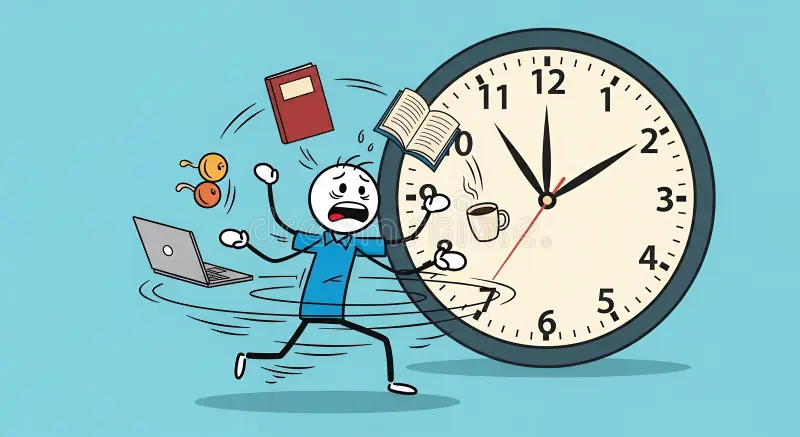
Mental load is the cognitive and emotional labour of running a shared life.
It’s not the act of doing the dishes. It’s remembering that the dishwasher needs emptying before breakfast. It’s planning the grocery list so nothing runs out mid-week. It’s keeping track of everyone’s schedules, health appointments, school forms, family birthdays, gift ideas, and the emotional temperature of the household.
Think of it as the operating system of your home and relationship. Someone has to run it 24/7 — and in roughly 80% of couples, that operating system runs almost entirely in one person’s head (most often the woman, even when both partners work full-time).
Unlike physical chores, mental load never ends. There is no “done” checklist. It follows you into the shower, during your commute, and even when you’re trying to fall asleep.
It includes four main categories:
- Planning & Organising — meals, holidays, budgets, home maintenance
- Remembering & Tracking — appointments, deadlines, birthdays, vaccinations, bills
- Emotional Labour — checking in on feelings, managing conflicts, supporting family members
- Worry & Anticipation — “What if the kids get sick?”, “Did I pay the electricity?”, “Are we saving enough?”
Because it’s invisible, the partner carrying it often hears “You’re overthinking” or “Why are you so stressed?” — which only adds to the load.
Why Mental Load Is the Silent Relationship Killer

The damage is slow, quiet, and devastating.
When one person carries most of the mental load, resentment builds like water behind a dam. The loaded partner feels unseen, unappreciated, and permanently exhausted. The other partner feels confused and attacked when the explosion finally comes.
Studies consistently show that unequal mental load is one of the strongest predictors of relationship dissatisfaction — even stronger than unequal chore division or income differences. It leads to:
- Emotional burnout and “short fuse” syndrome
- Decreased intimacy and sex life
- Chronic low-level anxiety in the overloaded partner
- Defensiveness and withdrawal in the other
- A slow erosion of trust and teamwork
For working parents, it becomes a triple shift: paid work + physical chores + 24/7 mental management. No wonder so many couples feel like roommates instead of lovers.
The worst part? Most couples don’t even realise mental load is the real issue. They fight about surface things — “You never do the laundry!” — while the real problem stays hidden. This is exactly why the “who did more?” fights from our previous article never seem to end.
How to Know If Mental Load Is Hurting Your Relationship
Here are 10 common signs that mental load has become unbalanced in your home:
- You constantly feel like the “default parent” or “house manager”
- One partner can relax completely while the other is still mentally running the household
- You hear “Just tell me what to do” more often than you’d like
- Bedtime brings anxiety instead of peace
- Small tasks (buying milk, booking a dentist) create huge tension
- One partner feels they can never “switch off”
- You argue about things that feel trivial but actually represent bigger unseen loads
- Birthdays, anniversaries, and school events are only remembered by one person
- The phrase “I didn’t know I was supposed to…” is used regularly
- One partner feels guilty for resting; the other feels guilty for not noticing
If more than half of these sound familiar, your relationship is probably carrying an invisible imbalance that EvenUS was built to fix.
Why Traditional Tools Keep Failing Couples
Talking about it rarely works long-term. Chore apps only track visible tasks. Budget apps only track money. None of them capture the cognitive and emotional labour that actually exhausts people.
The old 50/50 mindset completely breaks down here because mental load isn’t easily split by percentages or hours — it lives in the mind. Without a shared system to see it, couples stay stuck in blame and scorekeeping.
How EvenUS Finally Makes Mental Load Visible & Fair

This is where everything changes.
EvenUS is the first app designed to track the full picture of relationship effort: money + physical chores + mental load. Its Mental Load Tracker turns invisible work into something both partners can finally see and balance together.
Here’s exactly how it works:
Mental Load Tracker You simply tap and log the invisible tasks: “Planned this week’s meals”, “Booked kids’ dental check-ups”, “Remembered to buy birthday gift for your mum”, “Worried about and researched summer holiday options”. Every minute counts and gets added to the shared score. No more “It’s just in your head.”
Live Household Balance Dashboard See your complete equity at a glance — including mental load. 82% balanced today? You both feel proud. 64%? You get gentle, actionable suggestions instead of arguments.
Income-Aware Fairness Score The weekly report shows Effort Balance (paid work + chores + mental load), Financial Balance (adjusted for income differences), and Overall Equity. Everything is income-proportional and blame-free.
Gentle Reminders & Actionable Tips Instead of nagging, the app sends kind, smart prompts: “Partner A has carried 38 more mental load hours this week. Want to shift meal planning this Sunday?” You stay connected with love, not pressure.
Beautiful Activity Feed Watch appreciation grow in real time: “Sam handled school forms today” “Alex researched and booked our weekend getaway”
When both partners can finally see the full picture — including the mental marathon one of them has been running alone — conversations shift from defence to teamwork. Resentment dissolves. Intimacy returns. Love feels lighter again.
Real Couples Are Already Feeling the Difference
“I used to think I was just ‘naturally more organised’. EvenUS showed me I was carrying 71% of the mental load. We fixed it in one calm evening and I finally feel seen.” — Priya M.
“The mental load tracker was a game-changer. My partner now understands why I was always tired. We’re at 94% balance this month and our fights have almost disappeared.” — James T.
Getting Started Is Easier Than You Think
Try the free live demo calculator on the EvenUS homepage right now. Add sample incomes, chores, and mental load tasks and watch your Fairness Score update instantly.
Then join the waitlist in under 30 seconds. Early users get lifetime access at a massive discount when the full iOS and Android apps launch.
Make the Invisible Visible — Before It Kills the Love
Mental load doesn’t have to be the silent killer of your relationship.
When you both see it clearly, value it equally, and balance it with kindness, something beautiful happens: you stop keeping score and start building a life where both partners feel truly supported, appreciated, and in love.
EvenUS was created for exactly this moment — to turn hidden exhaustion into shared understanding, and silent resentment into visible fairness.
Ready to make the invisible visible?
Join the EvenUS waitlist today and claim your lifetime discount.
Because the strongest relationships aren’t the ones without any load. They’re the ones where both partners carry it — and see it — together.